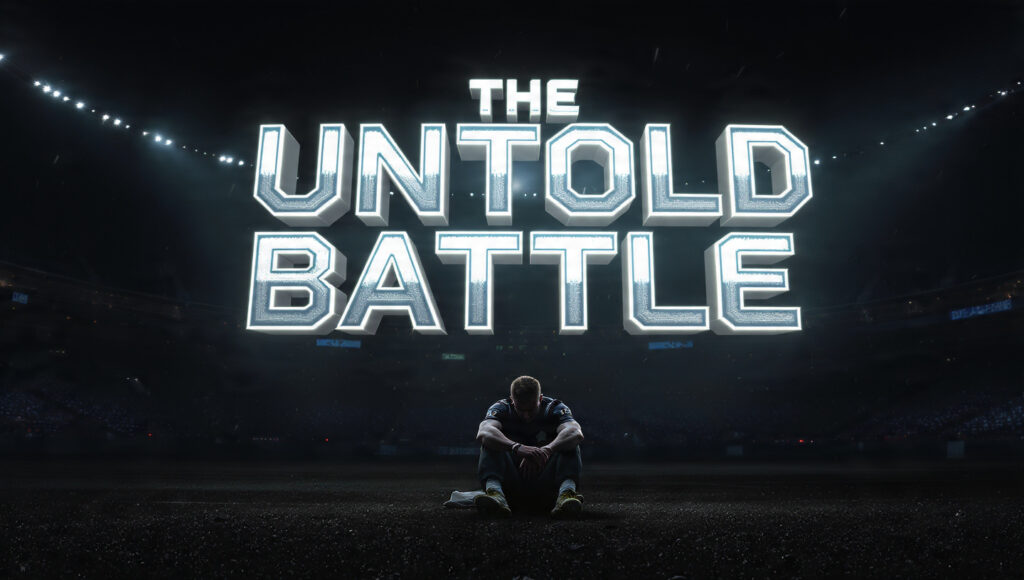
Mental Health in Sports: The Untold Story of Global Sports Stars
Sports are great for physical and mental health, but they do not necessarily guarantee the resolution of health problems at all times. Global sports celebrities have faced health issues from time to time, especially mental health, which no one wants to talk about.
However, these global sports stars have been vocal about the importance of mental health in sports. They know that being in the right frame of mind matters, as it directly affects their games and overall performance.
Roger Federer
Roger Federer has openly spoken about his struggles in his tennis life. He eloquently stated that an athlete is required to stay lively, upbeat, and always ready to take action, but that is not how a human functions. Players can train, lose, and train again. They can again train, lose, and try again.
Despite living the dream and deeming it fun, it is hard to stay content while losing continuously. This can contribute to increased psychological pressure on professional athletes, Federer revealed. The year-round tour schedules, constant travel, and loneliness are impossible to handle, with the ultimate pressure to show up and perform your best leading to significant mental health challenges.
Another fear that negatively impacts your mental health is the fear of missing out in sports. Federer was of the view that it is good to have a break, get rest, stay at home, enjoy family time, or even sit out while on the ground to get some fresh air. Yet, the fear of missing out begins to take hold. It makes you feel like you’re not grateful enough for what you have, and yet also not doing enough to pursue your dreams. Before you know it, you’re caught up in worrying about what others might think.
Virat Kohli
Virat Kohli has emerged as a strong advocate for mental health awareness. While talking to the BBC back in 2019, he praised Australian cricketer Glenn Maxwell, who took a break from his career due to his own mental health. Virat admitted that he had also been unwell during his England tour in 2014, but he couldn’t tell anyone, as he did not know how that would be received.
He lauded Maxwell’s step for taking a break and coming back strong when you know you are not feeling great mentally. Virat himself was not able to speak to anyone and was unsure how to communicate his feelings to anyone, which is one of the biggest problems of athletes’ mental health. He added,
“It has set the right example for cricketers all over the world that if you’re not in the best frame of mind you try, and try and try, but as human beings you reach a tipping point at some stage or the other.” [Source]
Lionel Messi
Someone as gigantic as Lionel Messi, who is widely regarded as football’s greatest icon, has also been a victim of mental health struggle is unbelievable. The Argentinian captain called managing his mental well-being his biggest weakness.
He has revealed that he has faced periods of poor mental health when he wanted to shut down emotionally. This behavior significantly affected his daily life routine and his mood, which clearly affected his dear ones.
He knew that blocking himself out was not the right solution, but whenever he was in a bad mental state, this was the only coping mechanism his body and mind could think of. He blamed his uneasy relationship with social media, public scrutiny, misjudgments, false narratives, and misleading stories as the main culprits for his severe mental strain.
He opened up about his introverted nature, as he rarely shares his inner world with others. He knows this is not an ideal situation to be in, but this is who he is. He likes being alone, especially when something is bothering him; he prefers loneliness.
How can mental health in sports be managed?
Collecting what these legends have said about irrepressible mental health struggles in sports. They suggest that it takes time to get used to overwhelming feelings and taking a break now and then.
Athletes need to have a support system; it could be their family members, their team members, their coaches, or mentors whom they can openly talk to. It helps them get into the “groove” quickly and back on their feet in no time.
Moreover, Federer’s “Fire and Ice” philosophy seems to be a turning point in developing mental strength. The tennis luminary developed this technique over three years in his early career. It is a trained mental framework to balance intense competitive desire (fire) with calm acceptance of mistakes and pressure (ice).
This tactic helped him transform from an emotional young player to a composed champion as he knew he had to face a shot, considering it the most important thing in the world. And immediately, he had to let go of the mistakes once that point was over, taking it as a temporary phase in the game.
Other typical techniques to manage mental exhaustion or psychological stress involve relaxation strategies, positive self-talk, visualization and imagery, managing anxiety, and treating mental health as a proactive “muscle” rather than just a crisis reaction behavior, based on sports psychology.
Even the biggest global sports athletes are not immune to mental health struggles. Behind the trophies, records, and public admiration lies immense pressure. Regardless of fame or achievements, mental health stigma should be dealt with intelligently rather than being viewed as a stigma.

Passionate Entertainment Writer | Trusted Pop Culture Voice
Madiha Ali is an experienced entertainment writer with over five years of expertise in covering movies, TV shows, celebrity news, and pop culture. Her bylines appear on trusted platforms like Screen Anarchy, High on Films, ARY News, The Express Tribune, Tea and Banter, Show Snob, and Movie Insiderz. She brings a personal, insightful approach to every story—whether she’s analyzing the emotional layers of a film or giving her take on trending celebrity headlines. Madiha’s writing style is known for being authentic, well-researched, and reader-focused.
When she’s not writing, she’s fully immersed in the world of entertainment—watching new releases, revisiting classics, exploring behind-the-scenes content, or reading books that fuel her creativity. Her passion for storytelling drives her work and helps her stay connected to what matters most in the industry.
Madiha believes great stories start conversations, challenge perspectives, and stay with us long after the credits roll. Through her writing, she continues to share those stories with clarity, depth, and heart.
Expertise in Entertainment Journalism
Published on Trusted Media Platforms
Audience-Focused & Original Voice
Dedicated to Quality Content
1 thought on “Mental Health in Sports: The Untold Story of Global Sports Stars”