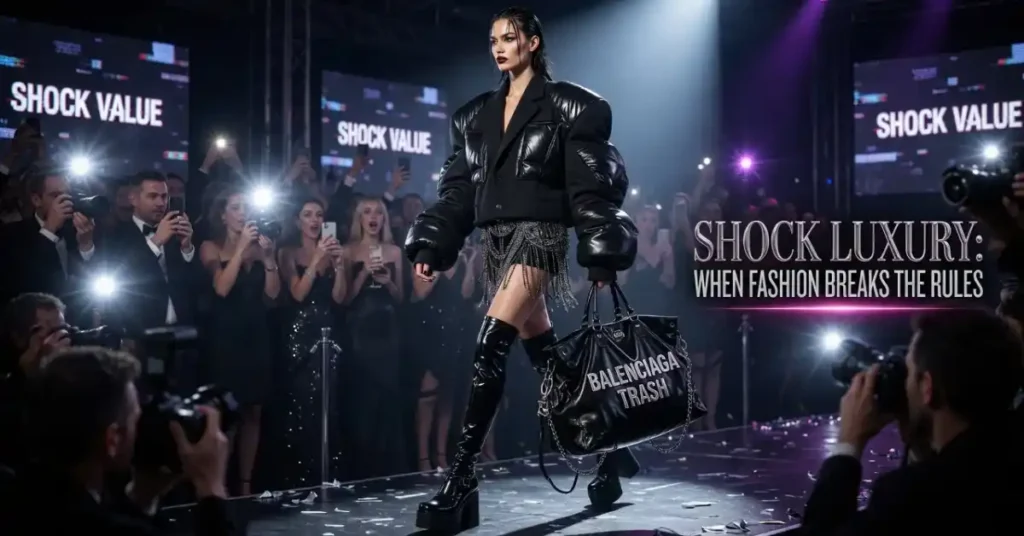
Balenciaga’s Shock Marketing: Redefining Attention in Fashion
Have you ever thought of something as disposable as a trash bag becoming a fashion symbol? A Chinese actress, Zhang Jingyi, was seen carrying a yellow trash bag on the red carpet, which is known to be Balenciaga’s trash bag that was sold at a whopping $1,790 in 2022.
Balenciaga’s shock marketing is nothing new. In fact, the brand has used ‘shockvertising’ as its overall marketing strategy for grabbing attention. The critics and consumers of luxury brands have deemed it as ‘cultural provocation’ rather than a direct sign of sustainability.
The brand mentions on its website that it follows sustainability rules and that all its business decisions are influenced by the ultimate environmental impact. However, its special shock-inducing products do not aim to certify that its marketing endeavors are particularly aimed at sustainability.
According to research, ethical consumerism is on the rise, and the marketing messages to highlight social injustice and startling practices are done with the use of shocking images. The audience has no choice but to pay attention, and this is what sets the brands apart from a cluster of other shoes, bags, and apparel images that we see online on a daily basis.
We look closely at the pictures that stop us in our tracks. However, the shockvertising that Balenciaga follows is not for the purpose of invoking disgust. Their picture intends to grab attention, create a recall value, and encourage compliance that could possibly turn into impulse buying or trend-driven shopping.
Designer Demna Gvasalia was Balenciaga’s creative director. Since 2025, he has moved to Gucci, serving in the same position there. Balenciaga carved its image of ‘strangeness’ under his reign as oddly inflated puffer jackets at Paris Fashion Week 2019 became a running joke, for instance.
The strong audacity of the fashion oddness was inevitable, which surely made a statement. It certainly grabbed some eyeballs, and everyone talked about it, either good or bad. Hence, the conversations started around it, creating buzz, giving the much-wanted limelight that the brand had always desired.
Demna has also seen controversial campaigns built on the brand’s cultural provocation, as three years later, the brand had to face severe criticism regarding adverts that showed children holding teddy bears in bondage gear and documents about child sexual abuse as props. As per The Guardian, the brand took full responsibility for the oversight and withdrew campaigns, along with facing a lawsuit and fine.
A recent AI-generated picture showing Robert Pattinson wearing a “shipping box” suit went viral. The image has Balenciaga’s name attached to it, again raising concerns about whether the luxury brand is after shockvertising once again. However, nothing of such sort is mentioned on its website in its latest collections.
The backlash to campaigns has been real, but this is one of the reasons that Balenciaga remains a hot topic. It illustrates that the brand is driven by calculated risks and a refusal to adopt traditional marketing tactics. Fashion crisis communication holds a pivotal place in this situation, as in the age of social media, fashion brands need to be careful. The netizens have become more aware and possess consumer empowerment, which has brought a shift in dynamics with commenting on posts and sharing in groups.
It is a matter of a few seconds before the reputation-related crisis goes viral and destroys the brand. Scandals were definitely used by fashion brands before the digital era, but not now. Fundamentally, crisis management involves two objectives: firstly, to stop adverse trends that harm the brand’s image, implying the survival phase; secondly, the brand should be in a position to redirect itself for new development, towards a likely rehabilitation phase.
Balenciaga did the same with a delayed response, with initial attempts involving third-party blame—a survival mode. Then, it went on to rebrand itself drastically from “shock” to “sober” luxury that sent out artistic visual vibes and somber brand language. This act signifies that getting noticed with radical measures could land heavily. In the modern digital age, a scandal is not about a quick PR statement but rather a re-evaluation of core business values.
Why does Balenciaga’s shock marketing keep grabbing headlines?
Under the previous creative director, the brand has been able to master the art of capitalizing on negative publicity and transforming into something of relevance for the younger generation, Gen Z. The meme-worthy products have accelerated online and surely grabbed this generation’s attention, who perceive it as ‘authenticity’ rather than perfection.
By heedfully leveraging the “attention economy,” the younger demographics were engulfed by viral culture focus, since in the age of algorithm-driven content, attention is paramount. Despite the viral discourse on online platforms triggered by negative publicity, the brand’s ability to dominate and keep the chatter alive is commendable. Even amidst viral boycotts, the brand somehow managed to stay resilient.
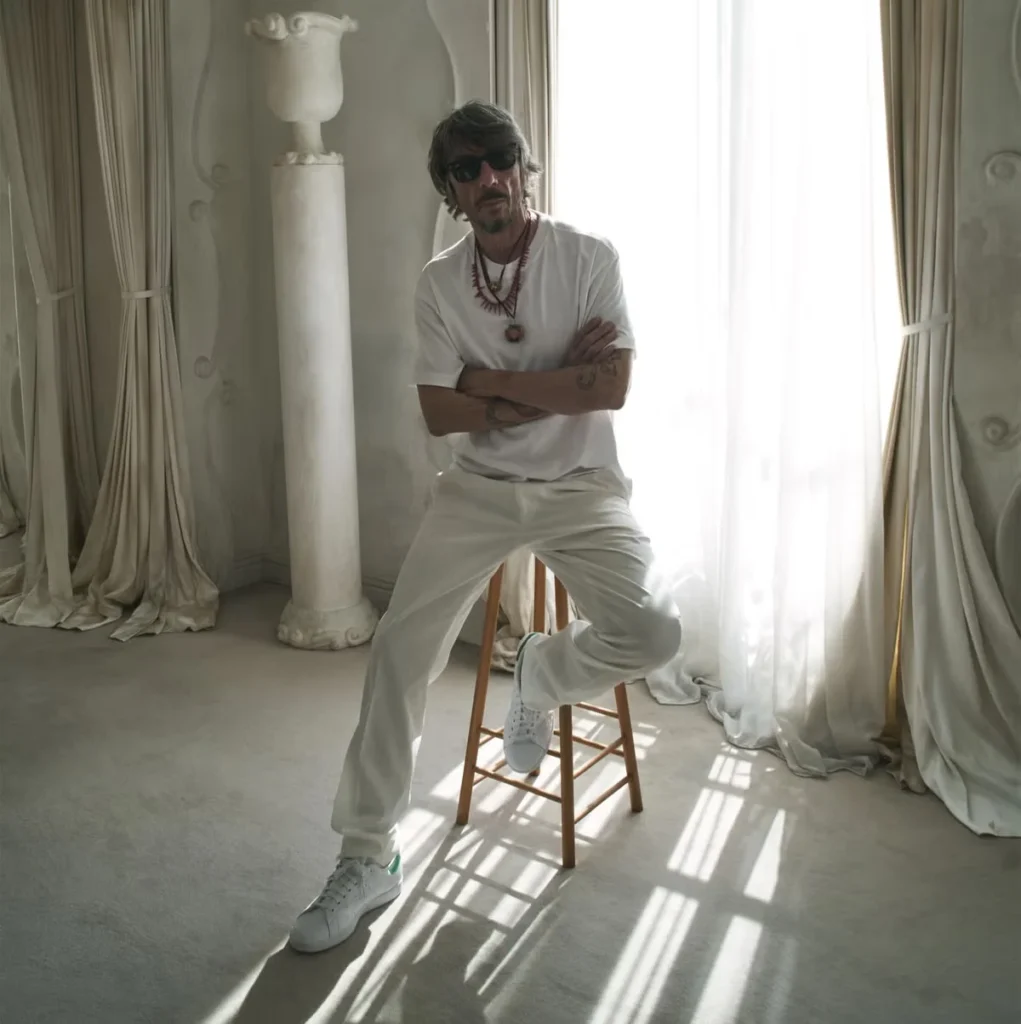
Balenciaga is entering a new chapter of fashion under the new creative director, Pierpaolo Piccioli, who chose “humanity over spectacle” as a way of brand recovery in the post-scandal period. The 2026 collections have moved away from provocation and deployed more “chic” aesthetics to make a lasting impact on the brand’s reputation, which was brutally tarnished via sharp backlash in 2022, resulting in lower sales during the said time period.
Though the learnings from Balenciaga’s 2022 scandal might imply that all press is good press, shockvertising still demands businesses to be mindful of social and ethical boundaries and not cross the lines into being distasteful or offensive. Though in today’s hyperconnected world, the scroll-driven culture desperately asks for attention-grabbing gambits, a brand’s reputation still remains fragile towards consumer attitudes.

Passionate Entertainment Writer | Trusted Pop Culture Voice
Madiha Ali is an experienced entertainment writer with over five years of expertise in covering movies, TV shows, celebrity news, and pop culture. Her bylines appear on trusted platforms like Screen Anarchy, High on Films, ARY News, The Express Tribune, Tea and Banter, Show Snob, and Movie Insiderz. She brings a personal, insightful approach to every story—whether she’s analyzing the emotional layers of a film or giving her take on trending celebrity headlines. Madiha’s writing style is known for being authentic, well-researched, and reader-focused.
When she’s not writing, she’s fully immersed in the world of entertainment—watching new releases, revisiting classics, exploring behind-the-scenes content, or reading books that fuel her creativity. Her passion for storytelling drives her work and helps her stay connected to what matters most in the industry.
Madiha believes great stories start conversations, challenge perspectives, and stay with us long after the credits roll. Through her writing, she continues to share those stories with clarity, depth, and heart.
Expertise in Entertainment Journalism
Published on Trusted Media Platforms
Audience-Focused & Original Voice
Dedicated to Quality Content