Winning Gen Z: The Future-Focused Strategy Beauty Brands Need Now
Imagine a Gen Z entering a Sephora store and then testing, feeling, and smelling the beauty products in person, generally to create a “haul” video, is a typical Gen Z behaviour that is worth noticing for the modern beauty brands.
To capture the attention and loyalty of Gen Z, we have devised the best of our future-focused strategy beauty brands need. Brands can turn everyday product testing into meaningful connections that drive both trust and long-term growth.
What is the future-focused strategy beauty brands need now more than ever?
Gen Zs are highly informed decision-makers and reject the traditional and highly edited advertising. They demand proof and will even verify it through online research. Hence, unethical products and advertising are a complete no-no for Gen Zs.
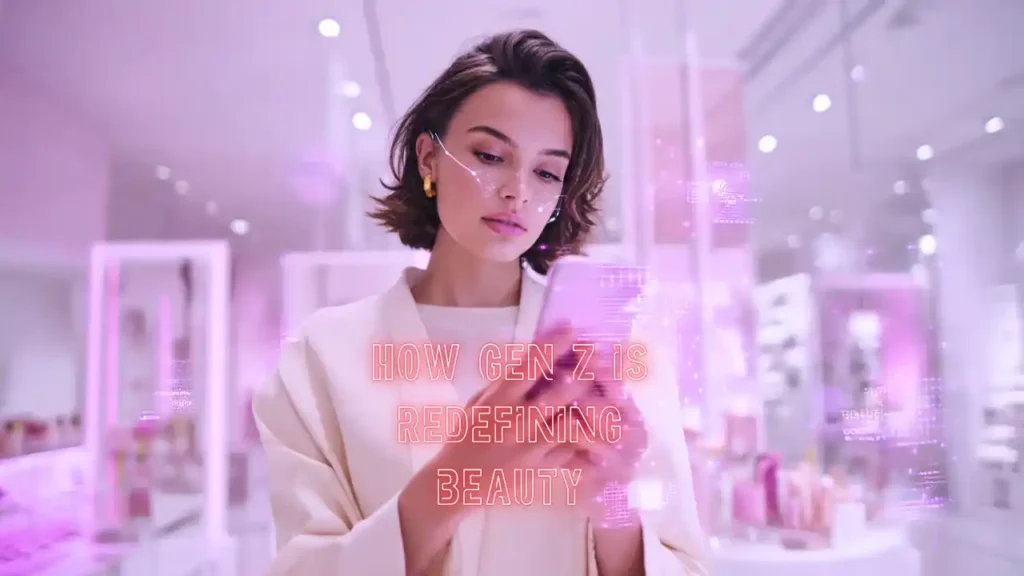
Gen Z now holds a massive purchasing power and is fundamentally redefining beauty standards, shifting their demands from passive consumption to active, value-driven participation. They are not just buying products; they are auditing brands for authenticity, sustainability, and technological innovation.
So, the brands cannot make a fool out of Gen Z. They need a future-focused strategy more than ever and rely more on transparent business practices.
What’s next?
Based on current internet behaviour, Gen Z rejects narrow beauty norms. If brands don’t scrutinize the needs of this generation, they will soon be forgotten and lose out to agile, new brands that actually speak to Gen Zs.
Here’s what they can expect from Gen Z beauty trends.
Expect AI-powered personalized skincare: AI-powered personalization, AI skin analysis, and AI makeup advisors add to the AI-powered personalization that Gen Z is demanding these days. These tools can now scan selfies to assess concerns such as acne, pigmentation, redness, pore size, and hydration levels. The users receive data-backed insights and tailored product advice within seconds. Brands can use this for their empowerment and credibility.
Virtual try-on (VTO) tech is already in the market for the past few years successfully. It allows users to test shades and finishes, and gives them freedom to change looks in real time without stepping into a store. These reduce uncertainty, minimize product waste, and increase purchase confidence.
Beauty brands can use it for makeup, hair color, and skincare for shade matching and in-store contactless “smart mirrors.” Both L’Oréal and Oriflame now offer virtual try-on tools that let users experiment with lipstick, eyeshadow, blush, and other makeup shades digitally, helping reduce purchase incertitude and increase conversion rates.
Skinimalism growth: Simplicity is not a trend but a lifestyle choice for Gen Zs. Authenticity with efficiency is the unbeatable duo to appeal to Gen Z beauty buyers, as it is a holistic shift in their mindset. Since they are strong advocates of sustainability, they want skinimalism skincare with less waste and more benefits from one product. They hate a 10-step skincare routine, which should be replaced by one product doing three things at a time.
Mental health-aligned beauty messaging: Our previous article cited Selena Gomez’s example, who has positioned business venture to be deeply aligned with mental health championship for the generation who have experienced anxiety, depression, and disorder in one way or another.
Time Magazine said,
“Her openness about her mental health has endeared her to millions of young people coping with the isolating experiences of anxiety, depression, and other disorders. And she has channeled all of that into her company, Rare Beauty, a rising player she bills as a beauty brand that, instead of selling an unattainable image, aims to help people feel good about themselves.” [Source]
She herself has been an anxiety patient when she felt immense pressure to be a good role model. She felt she needed to meet unrealistic expectations that led her to embark on her mental health journey. Growing up confused was one of the hardest times she had to endure.
Keeping this in mind, she created a brand that offers physical limitations or anxiety-induced shakiness of the makeup products before use. Such detail-oriented crafting of beauty products sculpted a social impact strategy that deeply resonates with Gen Z’s self-care rituals because “Rare Beauty” endorses being rare by being comfortable with yourself.
More indie brands beating legacy giants: Indie beauty brands are often smaller-scale companies operating outside major corporate conglomerates, focusing on unique formulations, niche markets, and authentic, ethical, cruelty-free, vegan practices. One of the prominent examples is Rhode by Hailey Bieber, which is targeted towards 18-34-year-olds. It has made its name with its Peptide Lip Treatment and Glazing Milk. After being in 2022, it rapidly grew to be a Gen Z brand and was instantly acquired by E.l.f Beauty to fuel further expansion. It has worked hard to crack the code for Gen Z’s love with packaging that fits in our bag (signifying convenience) and aesthetic looks with luxury (signifying authenticity).
With her “clean girl aesthetic” that Gen Z idolizes. Her dewy skin and minimal makeup products have been light on Gen Z’s pockets as well. Hence, Gen Z is more mesmerized by legacy brands like Dior and Charlotte Tilbury but is discovering beauty in their purchasing journey, and this is where indie beauty brands have nailed the playbook.
Strategic suggestions for brands (future-focused)
To remain relevant in a landscape shaped by Gen Z’s expectations, brands must move beyond reactive trend-following and adopt a deliberately future-focused strategy. Here’s how brands can build long-term relevance for an increasingly conscious generation that is here to stay, as they are the trendsetters.
Lead with transparency: Being radically honest is the only way to generate demand from this generation. Brands must clearly disclose how their products are sourced, whether any animal harm is involved, and whether harmful ingredients are used. All of this information needs to be available on the packaging or the website before the product is pushed into the market.
Creating advertisements featuring young Gen Z individuals confidently using the brand’s products is no longer enough. This generation is not the one that grew up using Olay anti-aging products and feeling assured that a miracle would happen. They want real results, and their research-driven instincts will not allow them to settle for less.
Build on TikTok: TikTokers with 10K-100K followers are generating more buzz for Gen Zs rather than the celebrities. Raw, authentic, and community-driven content is a more polished way to inspire these modern users. Brands can utilize user-generated content (UGC), partnering with micro-influencers, employing TikTok SEO, and embracing “skinimalism” or “skintellectual” trends.
Create community: Creating community mainly means “inclusivity.” The word is not just a term or trend; it is a baseline expectation for body and skin types, which they expect that the brands will adopt by setting gender-neutral beauty standards. Moreover, beauty brands can generate value-driven engagement on TikTok (SkinTok) and Instagram (Instagrammability) to leverage “genuinfluencers” over celebrities.
Hybrid products: Since Gen Z prefers skincare infused with makeup, giving rise to a product with hybrid benefits. For example, foundations enriched with SPF and active serums deliver coverage while simultaneously protecting, hydrating, and improving the skin. Brands will benefit from this alignment of Gen Z’s “skin-first” mindset.
All things considered, Gen Z looks for makeup that is simple to use yet delivers high performance. If a product doesn’t meet their expectations, they won’t hesitate to drop it from their next purchase—no second chances, no long explanations. Negative word-of-mouth spreads quickly and effortlessly within this generation. Brands should start building strategies now that consider Gen Z’s ethos of embracing natural skin and aging confidently for the next decade.
About The Author

1 thought on “Winning Gen Z: The Future-Focused Strategy Beauty Brands Need Now”